
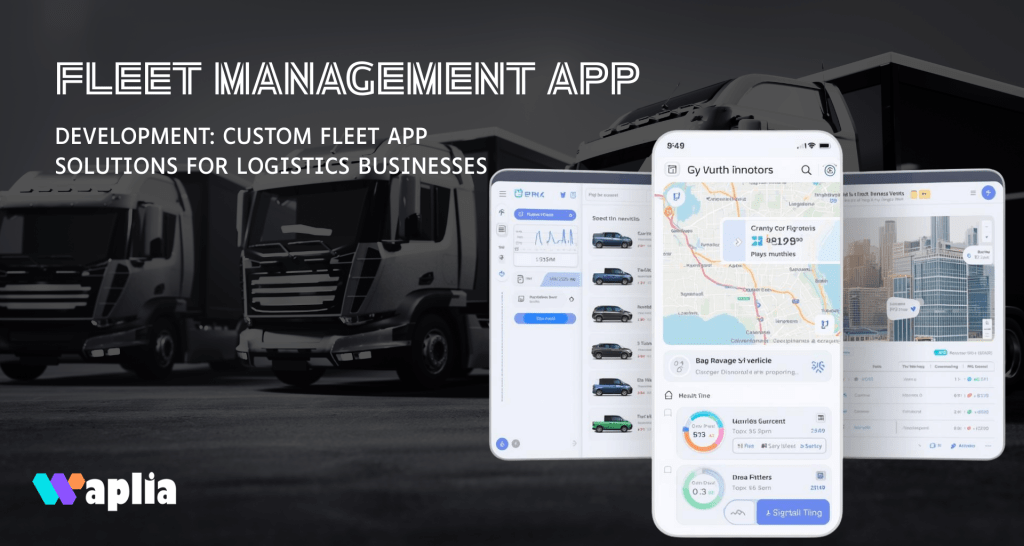
The industry of logistics industry is evolving in a rapid manner. Management of the fleet will grow to $25.5 billion before 2022 and may surpass $52.4 billion in 2027. It offers various ways to improve efficiency and profit margins.
Data analytics, telecommuting, and fleet tracking in real-time are revolutionizing the management of fleets; however, the integration of advanced technology is often complicated and difficult. Driver management and safety apps play a crucial role in ensuring security and efficiency within operational fleet management, especially in the context of technological advancements.
The Fleet Management App Development Company’s maintenance is vital for success. Every truck needs regular maintenance to stay operating while moving. This is the reason we prepared this thorough guide that outlines the best practices to manage the fleet. This guide will cover everything from creating an app made to handle it to the benefits and procedures, as well as features!
The industry is evolving rapidly. Management of the fleet will grow to $25.5 billion before 2022 and may surpass $52.4 billion by 2027. The industry is offering a myriad of ways to improve efficiency and profit margins.
Telematics, data analytics, and live tracking of fleets are revolutionizing the management of fleets. However, incorporating the latest technologies is often complex and difficult. Driver management and safety applications help ensure the safety of fleet operations in light of these technological advancements.
The maintenance of the fleet is essential to the success of your company. Every truck needs regular maintenance to stay functional when it is moving. This is the reason we prepared this thorough guide that outlines the best practices to manage your fleet. The guide covers the app’s creation, benefits, processes, and features.
What is Fleet Management App Development?
The Fleet Management app is designed to integrate all aspects of managing commercial vehicles in one place and makes it easy to use. It incorporates various tools for monitoring, managing efficiency, and tracking performance, which is essential to businesses that utilize vehicles.
It also includes live-streaming in real time to allow businesses to track the location of their vehicles and quickly respond to issues. Maintenance management schedules maintenance periodically and advises the management of any issues that could arise, which reduces the duration of maintenance as well as increases the longevity of vehicles.
The app will also aid in the efficiency of fuel, since it will be able to monitor the consumption of fuel and the behavior of drivers, thereby decreasing fuel expenditures. Compliance management is a method for monitoring inspections, documents, and driver certificates to ensure that the documents comply with the law.
Types Of Fleet Management Apps
Controlling drivers, vehicles, and the operation in general is crucial for the successful management of your fleet. This is where you will find a range of safety applications for managing fleets, with solid plans that integrate all your electronic tools into one location. But since there are many options, it’s vital to know the differences so you can choose the best one. Let’s examine the different types of options available:
1. GPS Tracking Apps
GPS tracking apps use GPS technology to determine a car’s location at any given moment. They are an essential part of controlling fleets. This means you can plan better routes, dispatch more efficiently, and better understand drivers’ actions. Deliveries could be more effective and offer superior customer service if they could pinpoint exactly where the delivery trucks were at all times.
2. Maintenance Management Apps
The apps can do much more than simply locate the location of your device. They can help you schedule routine maintenance, keep track of work done, and manage repairs. Monitoring your car’s health could assist you in avoiding issues and prolong its life, as well as ensure your safety when driving.
3. Fuel Management Apps
Like any other fleet, the cost of fuel is an enormous expense. The fleet management app can help you find out how much gas you’re taking in and what to do about it. Integration of fuel cards and odometer measurements is just two aspects that allow you to record accurate costs and save money.
4. Driver Management Apps
Be sure to keep a close eye on the vehicle and drivers. The apps can assist in keeping drivers secure by keeping a watchful eye on issues like speed or difficult stopping. Additionally, they can provide features such as communication tools that keep drivers informed as well as increase the efficiency of the entire fleet.
5. Compliance Management Apps
You must follow the guidelines for matters such as Electronic Logging Devices (ELD) for commercial vehicles. They ensure that drivers are taking breaks whenever they are required to and also record their work hours electronically, which saves time and reduces the risk of fines.
Fleet Management App Development Steps
There is no need to start with an elaborate method to build a fleet management application, such as using complex frameworks or tools. If you’re trying to encourage your staff to be more productive, it is best to start by creating an MVP that’s straightforward, user-friendly, and simple to use. As you progress, add options that meet the needs of your company in the moment. Check out the process of developing mobile apps:
Step 1: Conducting Research
Before beginning to design an app for managing your fleet, verify it with a company that develops fleet management apps for drivers. Learn what kind of app for fleets you require and what challenges you wish to address using your application.
Let’s take an example. For instance, you’re planning to create an application for managing fuel consumption that can cut down the price of gasoline by 20 percent. Control apps for drivers can help drivers become more efficient at their jobs, help keep vehicles in excellent condition, and reduce the time to repair.
The app’s fleet management service provider must understand what their business’s needs and objectives are so that they are able to select the appropriate technology stack to meet the needs of the business.
Step 2: Hire an App Development Company
For the development of an app for managing fleets, it is recommended to hire an app development company with a proven track record of achievement.
They oversee each aspect of the system, such as managing maintenance scheduling, reviewing the cost of fuel, and offering real-time tracking of drivers, as well as implementing security measures. It allows you to concentrate on your core business and can help you save both time and money while keeping your fleet operating smoothly.
Step 3: Gathering Key Features
It’s now time to outline the features you want to include and describe the goals you intend to accomplish in changing how your company conducts business. The first step is to begin with the MVP application development. Test your ideas by using a prototype before investing an enormous amount of money in an entire app.
By following the MVP method, your team will focus on only the most essential aspects needed for success. When your product earns profits, you could invest the money into adding additional features and developing an app for managing fleets similar to yours.
Step 4: Development Process
In the application phase of development The fleet control app is developed and built. It is then tested and put to use according to the accepted standards. The QA testers run a variety of tests through the application to ensure that it functions as expected and isn’t prone to bugs.
An app demo is developed by the fleet management app developers to allow users to test the app’s functionality. Then, the application will be released once it has been tested correctly.
Step 5: MVP Releasing
After that, you are able to offer the MVP for those within your target market to try your idea, identify areas of weakness, and then continue improving it on the basis of what feedback users provide.
The MVP is the most basic kind of application, which has all the features that early users require to be satisfied and also provides suggestions for future improvements in the creation of an application that can be used for managing fleets. Its simple functionality and layout, the main purpose is to explore an idea for a product.
Step 6: Launch & Maintenance
If your fleet management forthe enterprisee mobile application is complete and is test-driven, it’s now time to use it. It is necessary to undergo a review process before it’s ready to download from the Android or iOS App Store. Review procedures aren’t as stringent as those on the Android Play Store.
The app developer has to ensure your app is working on every device that you intend to work with. If you wish for your app to be able to endure for a long time, it is important to consider maintaining it.
Most Important Fleet Management App Feature
The program for managing fleets was designed to assist companies in controlling their drivers, fleet,s as well as their operations. The major components of a system for managing fleets depend on the company’s specific demand for fleet management app development solutions:
Tracking of Vehicles
A GPS tracker system that is used for fleets lets fleet administrators keep track of the vehicle’s location, along with speed, direction, and location in real time. The system helps fleet managers to optimize routes and decrease fuel consumption. Through the analysis of real-time information from GPS monitors of the fleet, fleet managers can make well-informed decisions regarding routes as well as the behavior of drivers.
Management of Maintenance
A fleet management app can help managers plan regular maintenance, keep track of maintenance histories, and receive alerts when vehicles require maintenance. This ensures that vehicles are maintained properly and reduces the risk of breakdowns.
With proactive maintenance needs This application can help improve the longevity of cars, decrease unplanned downtime, and improve the efficiency of the operation.
Management of Drivers
Car management systems track the behavior of the driver, such as vehicle speed and braking patterns. This system lets managers identify areas of improvement as well as provide feedback to drivers. Through focusing on areas that need to be improved and providing constructive feedback for drivers, the vehicle management system plays a vital role in enhancing the behavior of drivers and the safety of your fleet.
Security Management
The systems can alertyou toudriverss taking risks while driving. They will monitor indicators including speed, difficult acceleration, and brakins and give instant notifications for motorists. Monitoring these indicators closely and providing instant feedback to drivers The fleet management system helps to ensure more safety and better working habits in the workplace.
Fuel Management
A fleet management will monitor fuel consumption and assist in reducing the number of trips. They can assist companies in cutting costs while reducing their carbon footprint. Through optimizing routes and reducing consumption of fuel, fleet management systems will not only help in saving costs but also help to align with green practices and ultimately reduce the carbon footprint of the business.
Analytics and Reporting
The application for fleet management provides accurate reports and information about various aspects of the operation within the fleet. Managers could use this information to identify patterns, evaluate the performance of their fleet, and make informed choices based on it. Furthermore, this kind of report and analysis can offer useful information on areas of improvement where it is needed or options to save money, better security precautions, and help in the implementation of a rewards driver program that will boost the morale of employees.
Mobile Access
This feature allows fleet managers and supervisors to have access to current and vital data about their drivers, operators, and fleets, even when they are traveling. Access to mobile data allows for better decision-making and greater responsiveness since supervisors are able to keep track ofand monitork the progress of their fleet regardless of where they are. Apps for managing fleets that are mobile may be useful in offering instant information analytics and also providing easy communication between supervisors and drivers.
Why Businesses Invest in Fleet Management App Development?
By investing in the development of a fleet management app, businesses across various industries that rely on vehicles can achieve significant benefits. A few of the main reasons the fleet management applications are growing in importanceare:
1. Enhanced Efficiency and Productivity
The Fleet Control apps allow you to see where your vehicles are all the time, what drivers are up to, and what you can do to create the most efficient routes. It helps businesses create better schedules and ship parcels more efficiently, and it helps ensure drivers are taking the most efficient route. This results in a timely delivery of orders and a boost in productivity.
2. Reduced Costs
In determining the most effective routes and keeping an eye on the behavior of drivers that may lead them to consume excessive amounts of fuel, the fleet management app will help companies save on fuel expenses. They can also identify the possibility of maintenance issues prior to them turning into major ones. This reduces repair costs and also decreases the need for downtime.
3. Better Communication and Customer Satisfaction
If your company is using a fleet management app, it facilitates communication among dispatchers, drivers, and customers. If you create a mobile application for fleet management, you should offer customers live information about the delivery time and respond to inquiries quickly. These enhancements will make your customers satisfied.
4. Improved Safety
Live GPS tracking and monitoring driving behavior are features that make driving much safer. Managers can identify dangerous driving behaviors like driving too fast or stopping in a hurry and then take action to correct them.
5. Data-Driven Decision Making
When you’re on the road, fleet monitoring applications gather useful data about your driving habits. The data collected can aid firms in understanding more about how drivers are performing, how much fuel they’re burning, and how their routes work, as well as the overall condition of the fleet. With this information, mobile app developers can determine the most effective strategies to increase their app’s revenue.
How Can Businesses Earn Money From Fleet App Development
Have you developed an app for managing fleets? What next? What is the best way one can make an app an income-generating venture? If you want to earn money using an app for managing your fleet, there are several straightforward methods offered by an iPhone developer.
1. Subscription Fees
It’s the way the majority of people conduct their business. Companies offer various levels of service, offering different functions and benefits. The basic plans may include real-time, as plans with higher-end levels may include tracking drivers’ behaviors, analyzing fuel economy, and planning maintenance.
2. Per-Vehicle Fee
If businesses make use of this system, it is a cost-effective way to charge a fixed cost for every car they take care of. Most people will be able to use this system; however, it may pose challenges for businesses that manage large vehicles. Therefore, if you’re hoping to profit from your app for managing car fleets, make sure you consult a firm that develops Android applications.
3. Freemium Model
The app offers a free version that is basic and includes limited features. Paid subscriptions give you access to more options, such as advanced analytics for data reports, tools for reporting, and customized dashboards.
4. In-App Purchases
The core of the application could be completely free. However, businesses are able to charge extra for options or features within the application. These might be as simple as live traffic conditions and weather with traffic condition data. review of the cost of gasoline to find the most efficient ways to travel.
Find a Reliable App Vendor
Creating a custom FM is a lengthy and costly process. It is therefore recommended to partner with a professional team of developers who have proven experience in the creation of the best fleet management systems.
Freelance and in-house teams, as well as fleet managers, are less effective than other fleet management options. To streamline the development process and get the best return on investment, consider looking at three different models of collaboration:
- Locate a dedicated app development group: The term “dedicated team” refers to a type of collaboration involving a professional group that provides comprehensive app development services through an organization committed to long-term partnerships.
- Find a reliable outsourcing company If you are considering outsourcing the development of your application, it’s a wise decision. Outsourcing will reduce the time required for the launch process and help you obtain the most effective product at cost-effective prices. Fleet Management App Development: An outsourcing firm can aid in getting a top-quality app for a reasonable price.
- Staff Augmentation: Staff augmentation solutions include providing developers with apps to fill temporarily vacant positions that fall within the scope of your job.
Solution design stage
The initial design stage of your product will assist you as well as the vendor to identify the history of your organization along with the principal requirements for your solution you should set a time to discuss the issue with your design team will work together In this discussion, it’s anticipated that your team decide which apps will have the abilities to manage the collection of design concepts:
- Be aware of the hazards and risks associated with the task.
- Business objectives
- A work scope
- Qualitative aspects
Phase of Discovery
The Discovery Phase services are designed to change your needs regarding your product to exact specifications. This can speed up development and improve the overall quality of the product. Establish a clear procedure for developing the product, your team must organize previous data collected and include the features that you would like to see the importance of each feature, as well as additional features that are relevant to.
The team that is behind the project has analyzed that it is possible to add specific components, like creating concepts that can be visualized as well as a detailed analysis of company needs, before obtaining an accurate estimate of the costs of the Fleet application.
Be aware that you don’t need to use the Fleet Management App from start-up to the point of completion, but you do require its integration with the business environment. It is possible that the discovery stage will not be required. The discovery stage can be cut in the future or incorporated into the overall process of development.
Integration and Development
The Fleet Management App Development is designed and built following accepted standards. It involves programming development, testing, and then deployment. If your needs are specific to your business, you could develop the app that manages fleets as an independent solution or integrate it into the existing system for managing logistics.
When employing an app for managing fleets that’s a stand-alone creation, the initial MVP version can allow a quick introduction of essential capabilities that meet the demands of managing fleets. MVP is the first version, which gives the opportunity to get user feedback and input from both parties and help guide future improvements.
In scenarios that require integration with existing systems, creating a Proof of Concept (POC) is essential. With the help of the POC device, users can test the effectiveness and compatibility of the app in the context of fleet management with the wider logistics infrastructure. It ensures that the system can seamlessly integrate with the other components and increase the efficiency of fleet operations.
Whatever technique is employed, regardless of the method employed, the aim is to speedily deliver a reliable system for fleets, prove its worth, and reduce the risks. In the course of development, QA engineers conduct thorough tests to verify that the app for tracking is not contaminated by bugs, and a demo of the application is made to be tested. If they pass, then the program will be made available to your corporate environment.
Deployment
In this instance, the idea is identical. If you’ve created an MVP version, it is possible to present it to your target market for a thorough evaluation of the concept of your product. You can then assess whether the product functions and is a pleasure to use. You can also identify areas of weakness and then keep making improvements as a result of user requirements.
For this there is a team of experts in technological areas including a project manager and business analysts that participate in the gathering and evaluation process. Also, focus group discussions must be done immediately.
If your team is integrating with a fleet app solution, you should implement the app in a live setting. This is important to be able to track and make sure that the process of deployment is working. In addition, you need your team to be able to organize UAT (User Acceptance Testing). This procedure allows the testing of the app using users in real-world scenarios.
Maintenance
Once you design the fleet management app, the development process doesn’t end. If you want the solution to last for a long time, it is essential to think about maintenance.
Typically, maintaining projects consists of
- Performance improvements
- Optimization of codes
- New features and new functions are now available.
- A third party provides the most current version of the services
Take note that even though the development of a custom-made logistics program takes longer and requires more resources, it can help you save a lot of money if you return when you need to.
An available app goes through the same creation and development processes. Here you will have access to the basic functionality that will allow you to manage the entire fleet effectively. To have the best price productivity To fix your logistics ambitions with the nature of your business, you need to consider the convenience of the app and your small business requirements.
Conclusion
The fleet management process changes rapidly as firms adopt technology to increase efficiency, security, and control of costs. Fleet Management App Development Companies track their fleets and fuel consumption, manage maintenance schedules, and assess the performance of their drivers in real-time Utilizing GPS monitoring and analysis of data, businesses can address problems with logistics more efficiently and make smarter decisions Trying to compete and reduce risk to operations, improve customer satisfaction, and support environmentally sustainable practices, should invest in a reliable and scalable fleet management application.
Modern fleet management applications aid in streamlining everyday operations, improving communication, and improving efficiency overall the app lets companies manage the drivers and their vehicles in compliance with regulations, as well as the performance of their employees, through one platform, making the process easier and more flexible.
We are Waplia We develop applications for businesses that comprise transportation management as well as fleet management designed for boosting business performance and the satisfaction of customers. We strive to build strong, secure solutions that perform well and are safe and simplify processes andd allow for long-term growth. The investment in custom-designed fleet management software today can aid businesses in operating more effectively and faster within an ever-changing and evolving digital world.
FAQs
It is the process of creating software that helps businesses track vehicles, manage drivers, monitor fuel usage, and improve overall fleet operations.
It helps improve efficiency, reduce operational costs, enhance driver safety, and provide real-time vehicle tracking and reporting.
They offer app design, development, testing, deployment, integration, and ongoing maintenance for fleet management solutions.
Key features include GPS tracking, fuel monitoring, maintenance scheduling, driver performance tracking, and analytics dashboards.
The cost depends on app features, complexity, integrations, and development platform. Basic apps cost less than enterprise-level solutions.
Development usually takes 3 to 6 months, depending on the project scope and required features.
Logistics, transportation, delivery services, construction, and field service industries use fleet apps the most.
Yes, fleet management app developers can build custom solutions based on specific business workflows and requirements.
They optimize routes, track fuel consumption, and monitor driver behavior to reduce fuel wastage.
Yes, most fleet management app development solutions include real-time GPS tracking for better fleet visibility and control.